
If you’ve ever opened a window for fresh air and felt your symptoms flare within minutes, you’re not imagining it. For many UK households, the simple act of airing the house can be the trigger that turns a good day into a sneezy, itchy-eyed one. That’s why pollen screens for hay fever are getting more attention, especially in places where you want the breeze, not the pollen.
A well-chosen screen lets you keep natural ventilation while reducing what drifts inside. The bonus is that the same screen can also help with seasonal insects, which matters even more in coastal homes where midges and mosquitoes can make “windows open” feel like a gamble.
The pollen and ventilation problem in UK homes
Most UK homes rely on opening windows and doors to keep indoor air feeling fresh. It’s often the most comfortable way to cool rooms down, reduce stuffiness, and avoid relying on fans all day. The problem is that pollen doesn’t politely stay outside. It travels on the wind, rides into the house through open windows, and settles on surfaces where it can keep irritating you long after the window is closed.
This is why hay fever can feel worse indoors after you “do the right thing” and ventilate. You’re creating airflow, but you’re also creating a path for pollen to enter and linger. If you’re sensitive to grass pollen, tree pollen, or weed pollen, that indoor buildup can make bedrooms, living rooms, and home offices feel uncomfortable during peak season.
How pollen screens work and why they still allow airflow
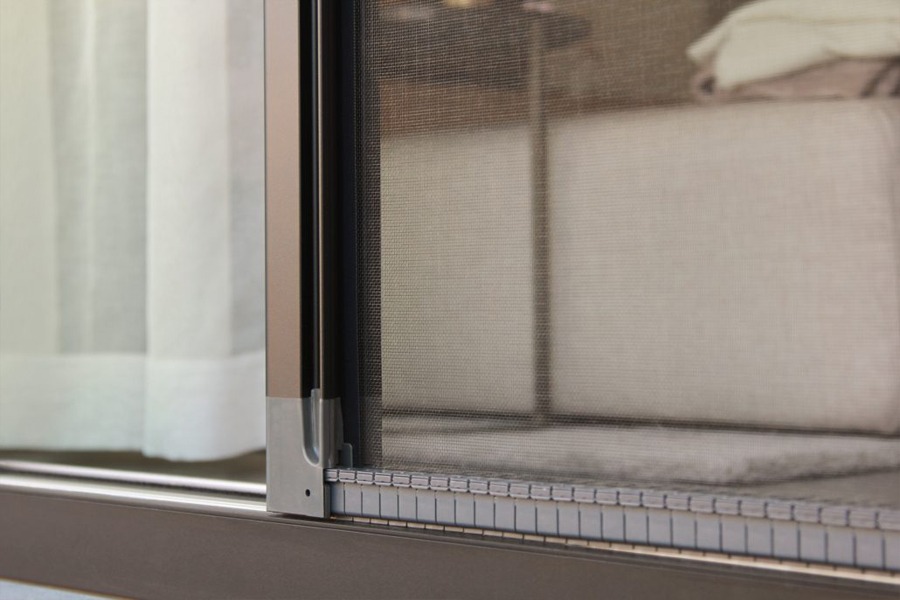
Pollen screens work by using a specialised mesh that is designed to reduce the amount of pollen that passes through, while still allowing air to move. In plain terms, you’re keeping the “open window” benefit, but changing what the opening lets in.
The key is that the mesh is engineered differently from standard insect mesh. Instead of focusing only on keeping bugs out, the mesh is designed to interfere with airborne particles like pollen. It’s not about sealing the house. It’s about reducing the load, so you’re not bringing the full outdoor pollen level into your indoor space every time you open up.
When you pair that with normal good habits, like keeping windows closed during the highest pollen hours or cleaning regularly, it can make ventilation feel possible again rather than something you avoid.
What is hay fever and why it can feel worse indoors after airing the house
Hay fever is an allergic response to pollen. When pollen particles get into your eyes, nose, or throat, your body treats them like a threat, which triggers symptoms like sneezing, blocked nose, watery eyes, and fatigue. The frustrating part is that even when you come indoors, symptoms don’t always settle, because pollen can follow you in.
If you air the house during peak pollen periods, particles can settle into soft furnishings, bedding, and carpets. Once pollen is indoors, movement brings it back into the air. That’s why a bedroom can feel uncomfortable at night even if you closed the window hours earlier. Ventilation is still important for comfort, but without some form of barrier, it can also become the reason your indoor environment feels harder to control.
What anti pollen flyscreen mesh is and how it differs from standard insect mesh
An anti pollen flyscreen mesh is a mesh option designed to reduce pollen ingress, not just block insects. Standard insect mesh is mainly about stopping flies, mosquitoes, and other bugs. Pollen mesh adds a layer of protection for people who want to ventilate while reducing the amount of pollen drifting inside.
That difference matters because many homeowners assume any flyscreen will help with hay fever. A standard screen can still be useful for insects, but it isn’t specifically designed around pollen reduction. If your primary problem is hay fever symptoms when you open the house up, pollen-focused mesh is the option that matches the problem you’re actually trying to solve.
For many UK homes, the ideal setup is choosing a system that fits the opening and pairing it with the mesh type that matches the environment, whether that’s pollen, insects, or both.
How pollen screens also help with midges, mosquito screens, and chemical-free insect control
One of the best things about solving the pollen problem with a screen is that it can also solve the bug problem at the same time. In summer, the same open window that brings in fresh air can also bring in mosquitoes and flies. In coastal areas, midges can be a bigger nuisance than people expect, especially in the evenings when you want to cool the house down.
Screens give you a more chemical-free approach to insect control, because you’re blocking entry rather than spraying the room or using plug-in solutions. That can be especially appealing in homes with children, pets, or anyone who wants to reduce indoor chemical use. You still get ventilation, you still get the breeze, but you’re not turning the house into an open invitation for insects.
Who benefits most from pollen screens in the UK
Pollen screens can help many people, but they’re especially useful for households where symptoms interfere with sleep, concentration, or everyday comfort. If you or someone in your home experiences hay fever regularly, reducing indoor pollen load can make your home feel more manageable during peak season.
They can also be helpful for people with sensitivities that overlap with hay fever, including households where asthma symptoms are triggered by poor indoor air quality or allergen buildup. If you live near green spaces, fields, or coastal areas where you ventilate often, the value increases because the pollen and insect pressure tends to be higher.
In Kent and Broadstairs, for example, you often want the sea air and ventilation, especially in warmer months. Pollen screens help you keep that lifestyle without feeling like you’re trading fresh air for discomfort.
Choosing the right screen system for your windows and doors
The best results come from matching the screen system to the opening you actually use. A kitchen window you open for quick airflow has different needs to patio doors you leave open for hours. The goal is a screen that fits cleanly, works smoothly, and doesn’t make daily use annoying.
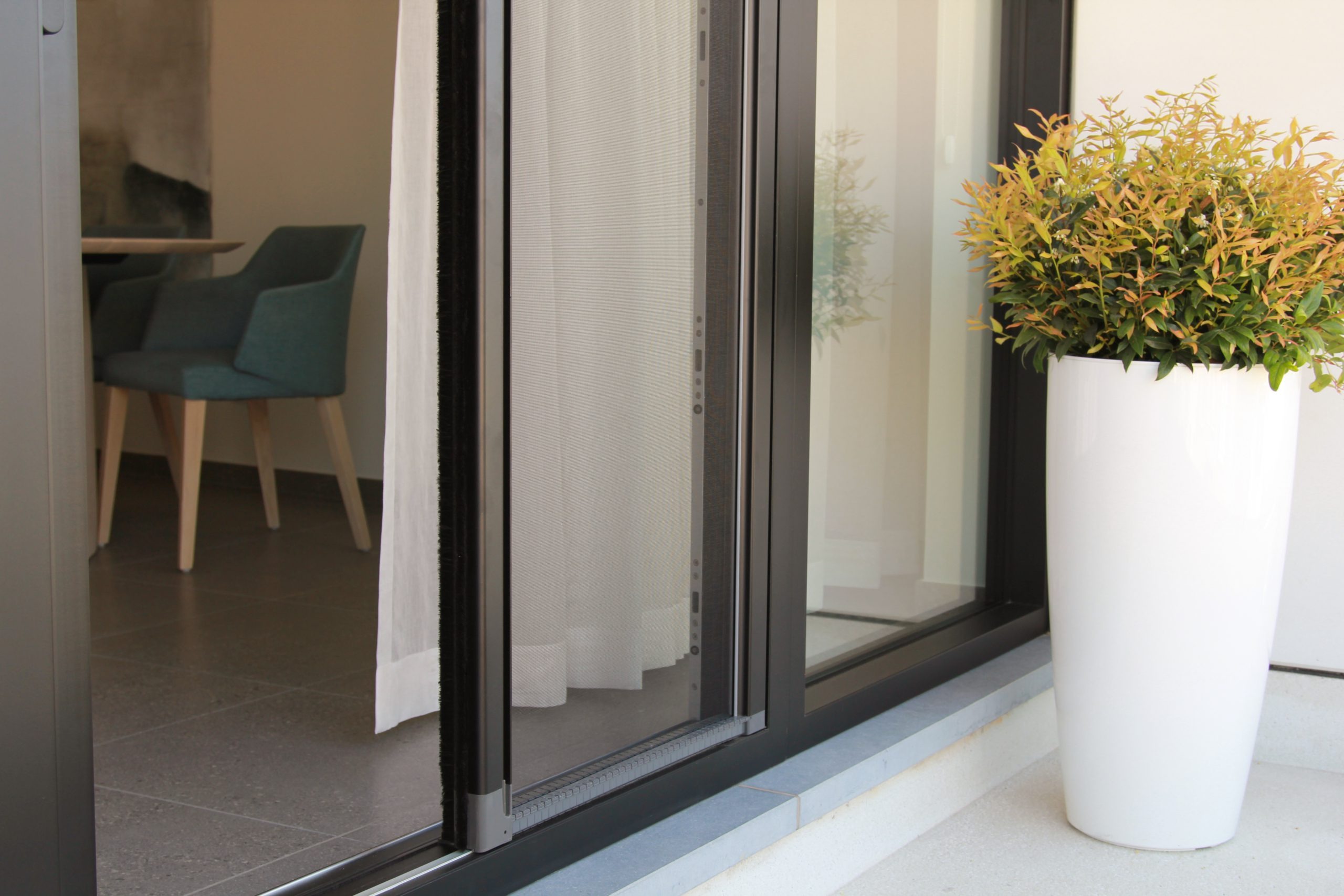
Windows often suit systems that allow regular opening and closing without fuss. Doors often need a solution that copes with frequent traffic and still seals well enough to do its job. In many UK homes, the most practical approach is a made-to-measure screen so the fit is tidy and the operation feels effortless.
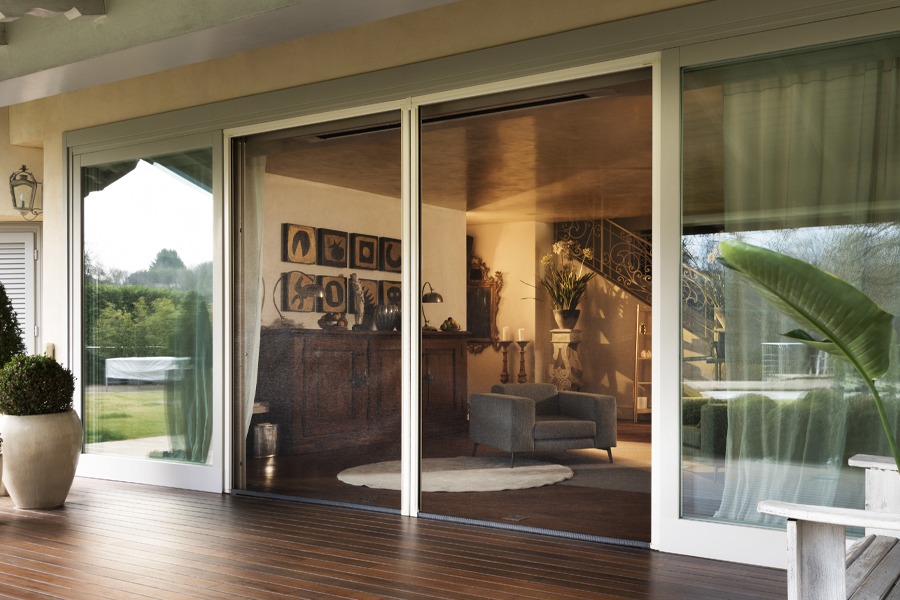
Gozito specialises in made-to-measure retractable screens for windows and doors, including openings like bifolds and sliding patio doors, which can be especially useful when ventilation is part of daily comfort rather than an occasional choice.
Fixed vs retractable screens and what works best day to day
Fixed screens can make sense for openings you rarely need to clear fully, but many homeowners prefer retractable systems because they give flexibility. When the screen isn’t needed, it can sit out of sight. When you want airflow, it’s ready.
This matters for pollen season because you’ll often switch between “open for a while” and “closed again” depending on the time of day and weather. A retractable system can feel more natural in daily life, which means you’re more likely to use it consistently. Consistent use is what reduces indoor pollen load over time, because you’re not letting the house fill up on high pollen days and then trying to recover after the fact.
Maintenance and cleaning without damaging the mesh
Screens work best when the mesh stays clean and intact. During pollen season, it’s normal for some particles to collect on the screen surface, which is part of it doing its job. The goal with cleaning is to remove build-up without stretching or damaging the mesh.
A gentle approach is usually best. Light brushing or careful wiping can remove surface build-up, and occasional deeper cleaning can help keep airflow strong. The main thing is to avoid aggressive scrubbing or harsh tools that can distort the mesh. If you’re unsure, it’s worth asking for guidance based on the specific mesh type, because pollen-focused mesh can be engineered differently from standard insect mesh.
With regular, careful maintenance, screens can stay effective and look neat, which matters when they’re part of a visible opening like a lounge window or patio door.
Pollen screens for hay fever FAQ
Does anti pollen flyscreen mesh block light?
Most homeowners find that screens have a minimal effect on natural light, but any mesh is still a physical layer, so you may notice a slight change depending on the mesh type and the direction the window faces. Pollen-focused mesh can look a little denser than standard insect mesh, but in real day-to-day use, rooms still feel bright, especially when windows are large. The bigger difference tends to be visual clarity when you’re close to the screen, rather than the amount of daylight in the room. If light is a major priority, it helps to choose a system and mesh that suits the opening and your room’s natural brightness.
Does it stop midges as well as pollen?
Screens can be a strong solution for midge problems because they physically block entry, which is often more reliable than sprays when you want to keep windows open for ventilation. Whether it “stops midges” depends on the mesh specification and the size of the insects you’re dealing with, because some midges are tiny. The good news is that many homeowners choose screens specifically to reduce evening insect issues, including mosquitoes and midges, while still allowing airflow. If you’re in a coastal area or you’ve had problems in summer evenings, it’s worth choosing mesh with insect control in mind, not just pollen reduction.
Can I still open and close my windows and doors properly?
Yes, when the screen system is matched to the opening and installed properly, day-to-day operation should stay simple. The whole point is that you keep your normal ventilation habits without adding hassle. For windows, you should still be able to open and close as normal, with the screen acting as a barrier when the window is open. For doors, the system should handle regular use, especially when people move in and out often during warm weather. Retractable systems are popular because they give you flexibility, which helps the screen fit into normal routines rather than forcing you to work around it.
Do pollen screens for hay fever replace other allergy steps?
They’re best seen as part of a wider approach. Pollen screens for hay fever reduce how much pollen enters when you ventilate, which can lower indoor build-up, but they won’t remove pollen that’s already indoors or stop pollen coming in on clothing and pets. Many households get the best comfort when screens are paired with sensible habits like changing bedding regularly, vacuuming more often during peak season, and timing ventilation for lower pollen periods where possible. The value is that screens make fresh air possible without feeling like you’re inviting symptoms into the house every time you open a window.
Will screens reduce ventilation too much in summer?
A well-chosen screen is designed to allow airflow, not block it. You may notice a slight change compared to a completely open window, but for most homes the trade-off feels worthwhile because you still get a steady breeze without the same pollen and insect exposure. In practice, comfort improves because you’re more likely to keep windows open for longer if you’re not dealing with insects and symptom flare-ups. If ventilation is a top priority, it helps to choose the right system for each opening, especially for large doors where airflow matters most.
Pollen screens for hay fever: Request a quote and get the right mesh for your home
If you’re ready to ventilate your home without dreading the symptoms, pollen screens for hay fever can be a practical upgrade, especially when paired with the right anti pollen flyscreen mesh for your windows and doors. Gozito can recommend a solution that fits your openings and your lifestyle, whether you’re in Kent, Broadstairs, or elsewhere in the UK, with options that also support chemical-free insect control for mosquitoes and midges.
If you’d like help choosing the right setup, request a quote or survey and share a few photos and rough measurements of your openings. You’ll get friendly guidance on the best screen type and mesh for airflow, comfort, and day-to-day use, without making the process feel complicated.